

Notes from the Atelier is a monthly dispatch on building coherent brand worlds, where meaning, expression, and cultural presence align. For founders and decision makers shaping brands with depth and resonance.

There is the brand an organisation thinks it’s building. The one defined in the deck, the guidelines, the brand book. Carefully worded. Strategically sound.
And then there is the brand that actually exists: assembled, quietly and continuously, from every decision the organisation makes. It includes the partnership signed for budget convenience. The campaign approved because it tested well on that market. The store designed by whoever was available. The collaboration announced because the other party had the right audience reach.
These choices are not all made lightly. Most might be defensible, and well-intentioned. But they do not always follow a clear line, nor are they primary made with the care to speak the brand’s language coherently. And a business that doesn’t speak from a coherent place doesn’t build one. The brand is hard to read, hard to trust, hard to prefer.
Every Choice Is a Statement
Brand perception is built through the sum of all a company’s choices. Not only what a company chooses to show and say. But also the event formats. The casting process of collaborators. The materials of a showroom. The paper tactility of all stationery. The length of a silence between two campaigns. All of it speaks.
The most telling choices are rarely the ones made for the public. A fashion house that publicly commits to responsible sourcing but quietly continues to work with suppliers that contradict those values reveals what it chooses when no press release is attached to the decision. A house that speaks the language of exclusivity but floods a market with accessible product lines reveals what it is willing to trade. A business that builds its entire narrative around a community, then disappears from that community the moment a launch campaign ends, reveals that the relationship was transactional from the start.
These decisions don’t express the brand’s intended language. They are made when no one, it seems, is watching. And yet, they too contribute to shaping the brand. They carry meaning and affect coherence.
Every company decision either reinforces or dilutes a coherent brand perception.
The Grammar of Refusal
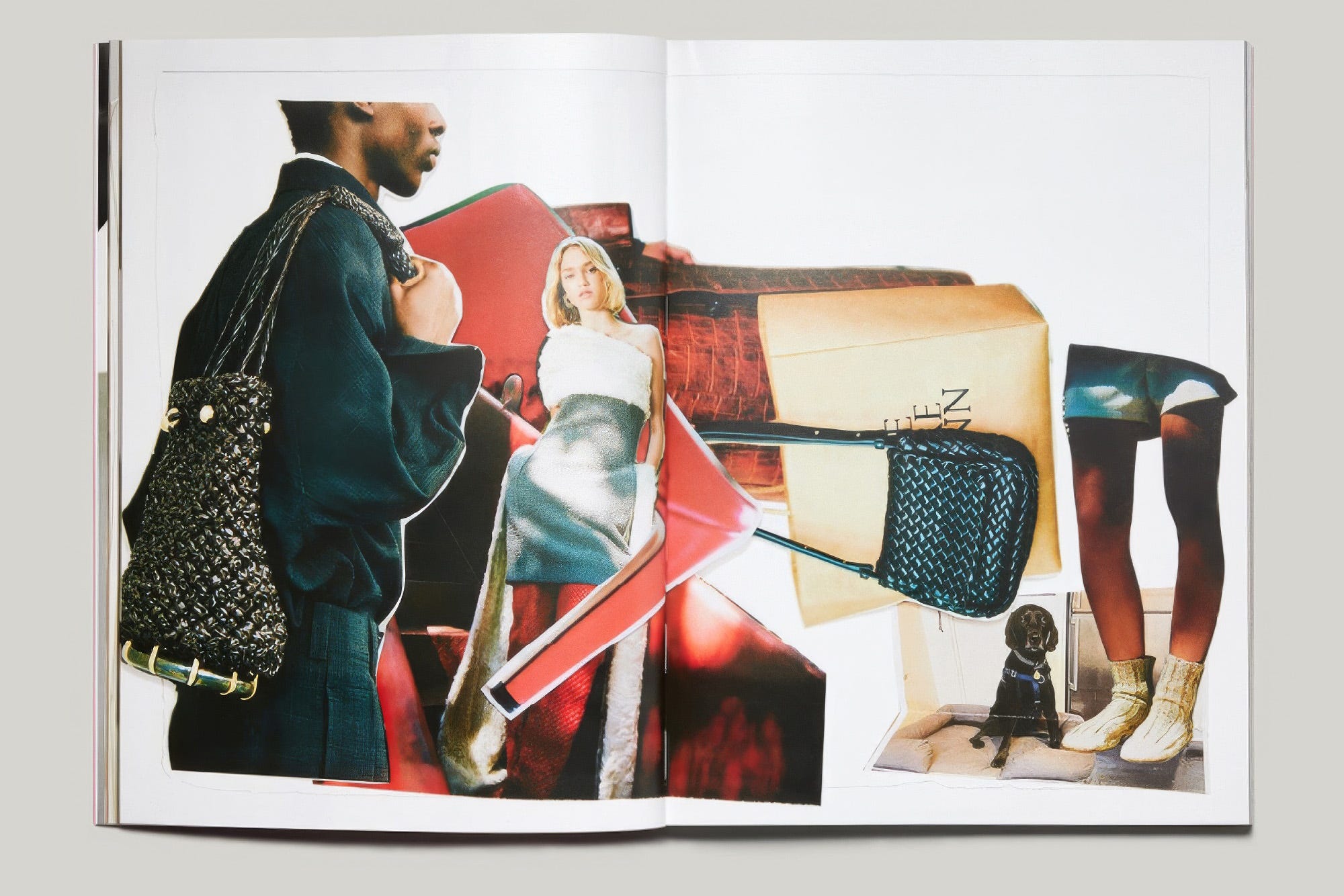
On January 2021, Bottega Veneta deleted its Instagram, Facebook and Twitter accounts overnight, without announcement, without explanation. The move was widely questioned. But the decision made perfect sense. Under Daniel Lee’s creative direction, the house had reinforced a language grounded in restraint and depth. Remaining on platforms that, according to Bottega Veneta’s leadership, tend to simplify and flatten creative work would have contradicted the very conviction the house was seeking to strengthen.
Rather than disappear, the house built its own channel entirely. A quarterly digital journal called Issue, immersive and audiovisual, conceived as an alternative to the infinite scroll, without captions, without hashtags, without the conventions of social media. Then, under Matthieu Blazy, physical fanzines. Now, under Louise Trotter, printed objects accompanying each collection. Three creative directors, three distinct sensibilities, yet the same conviction: that the relationship between the brand and its audience would be built on its own terms, through its own forms, in alignment with its foundations. This continuity is no accident, but the language speaking.
What distinguishes brands with genuine longevity is not only what they choose, but equally what they decline. Bottega’s withdrawal from social media is also an act of refusal. And refusal is one of the most legible acts a brand can make. However, not all acts of refusal are as visible as a deleted account.
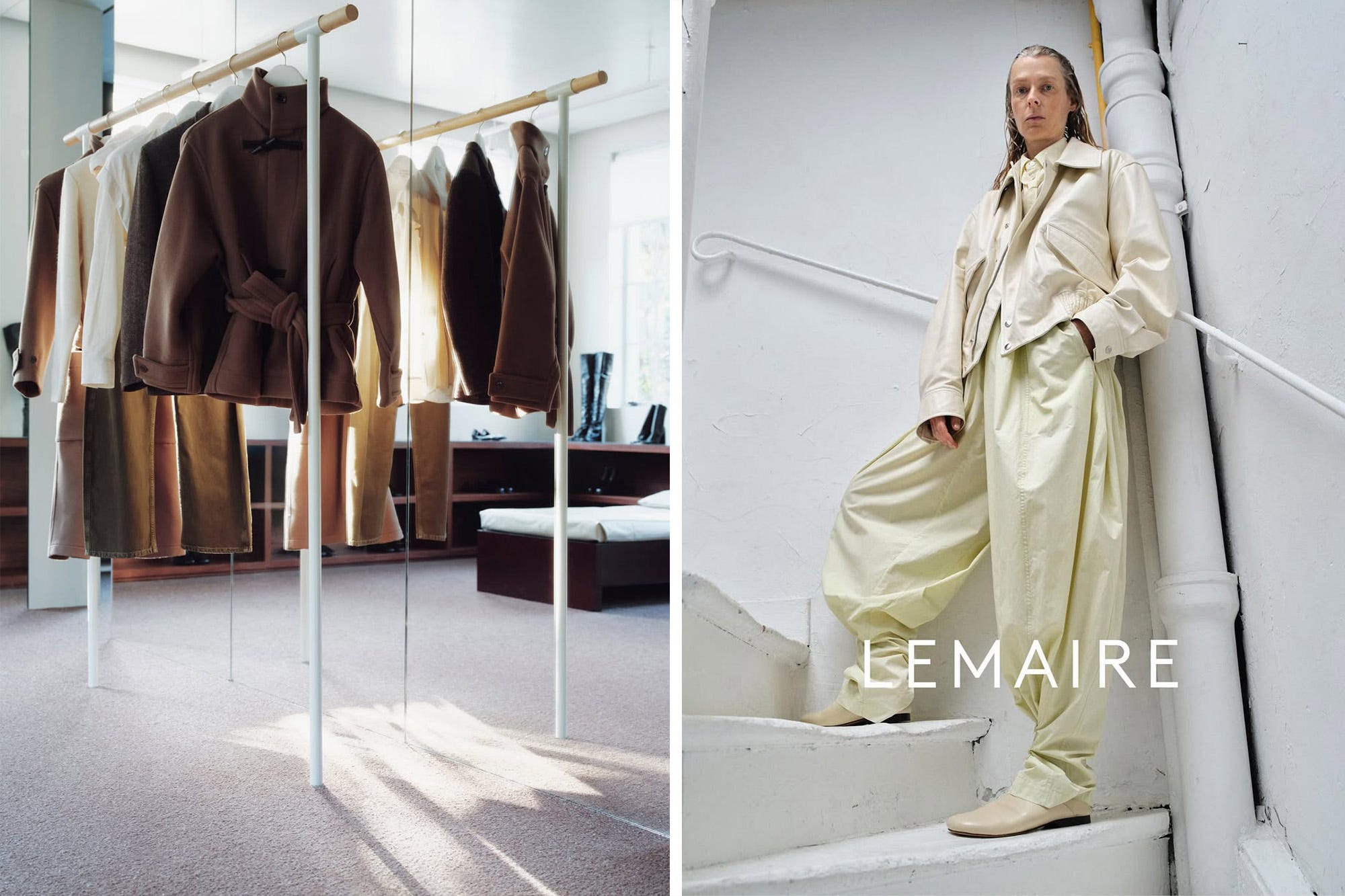
Christophe Lemaire has built Lemaire with Sarah-Linh Tran into one of the most quietly influential fashion houses since its relaunch in 2014 by choosing, consistently, which rules to follow and which to resist. No celebrity casting for reach. No opportunistic collaborations. The pace is the position. It says: we are not thinking about fashion from a spectacular point of view, but about proposing good clothes, clothes that belong to everyday life. You don’t change your wardrobe every season, you build it.
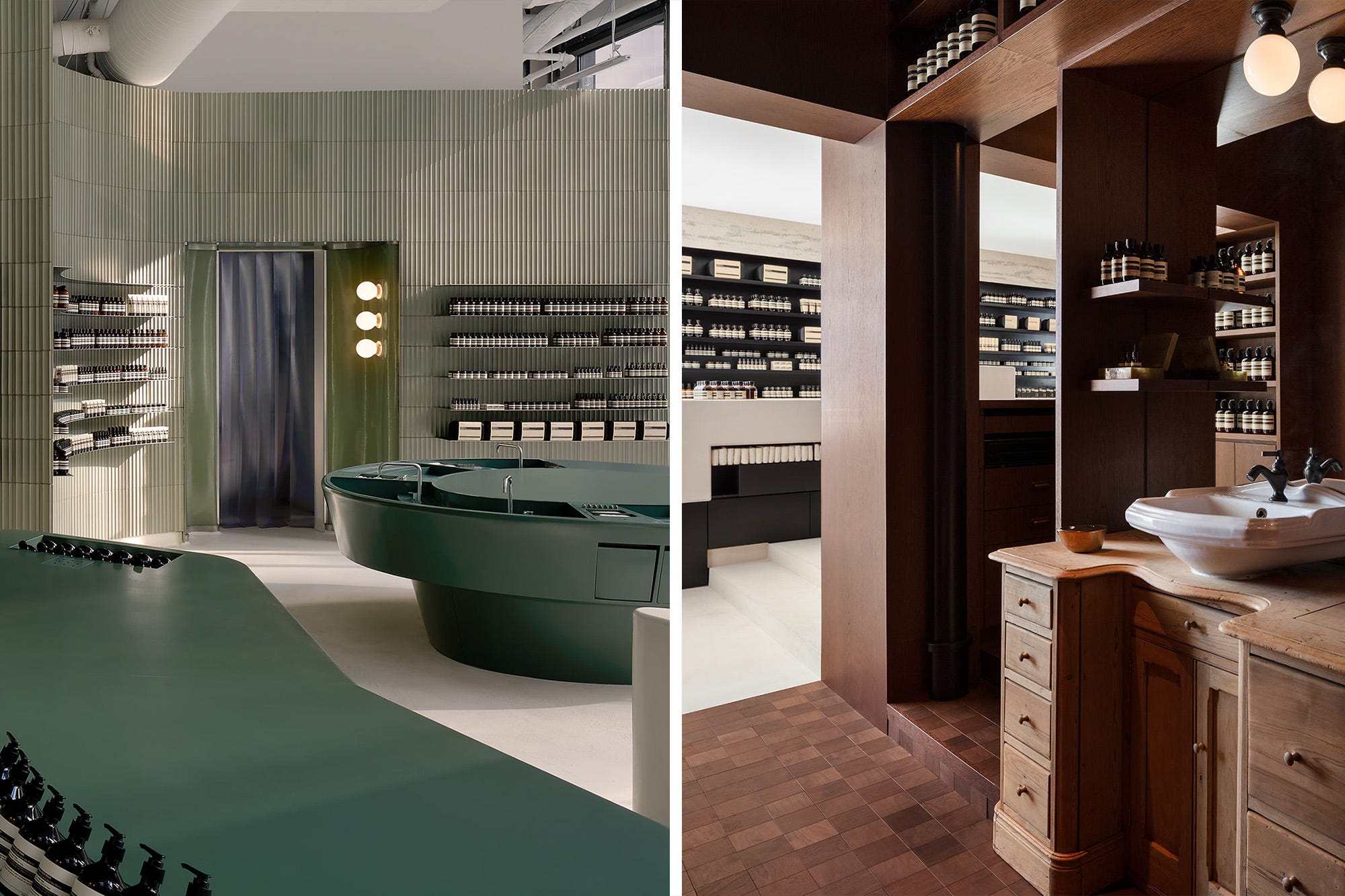
No two Aesop stores look alike. Each space responds to its context: different materials, different references, different architectural sensibilities. And yet the brand is immediately recognisable in Melbourne, Paris, Tokyo or New York. What connects them is the amber bottles lining the shelves, the distinctive scents, the serenity that emanates from the spaces. The language is sensory and it feels the same everywhere. The refusal here is the refusal of formula, of deployment kits, of any shortcut that would trade depth for efficiency.
These refusals are positions. They communicate as clearly as any campaign, sometimes more clearly, because they reveal what a brand will not do when it would have been easier, or more profitable, to do it.
The Sum of All Choices
A brand does not disperse in a single dramatic move, but through a hundred small decisions, made without ever asking whether they belong to the same story, to what the brand stands for.
The reality is that brand expression too often becomes an afterthought. It resurfaces when creatives need a visual direction for the next product launch, lives as a checklist on a marketing manager’s desk, gets handed to a community officer, and eventually ends up reduced to a visual charter maintained as best as possible by a discontented graphic designer. In other words, brand is often treated as a varnish, something applied from time to time, rather than the central system from which everything should follow.
This is where drift begins, decision by decision, until the brand has expressed so many different moods, aesthetics, emotional registers and cultural territories that those it seeks to reach no longer perceive a coherent whole. They sense the dispersion, even if they cannot name it.
Over time, what a brand comes to be is shaped less by what its organisation intended than by what it actually chose, either with coherence and consistency, or by default and without ever asking the right questions.
Every decision made under pressure, for commercial reasons, or simply without a guiding question, says something about what the business truly prioritises. And audiences read with patience.
Holding the Language
Recognising that every choice is already a statement changes how decisions get made. When I work with founders and creative teams, I introduce a single question: Does the decision at hand belong to our brand’s language?
Not: is this a good idea? Will this perform? Those are valid questions, but they operate in a different register. The question of brand foundations comes first. It asks whether this decision, this partnership, this format, this launch, this refusal, is a coherent chapter in the story the brand is writing. Whether it is aligned with the vision, the mission, the values that define what this brand stands for. If the answer requires a long explanation, it usually doesn’t belong.
This question only works if the language exists in the first place, not just as a document, but as something actively held and infused across every domain where the brand takes form: its products, its spaces, its communications, its collaborators, its experiences, even its unexpressed choices. Building that language with its own grammar, vocabulary, idioms, and intonation is the foundational work. Holding it requires a steward who ensures that the brand’s depth, its equity, is never traded for short-term convenience.
This is the work. It does not take place channel by channel, nor campaign by campaign, but decision by decision, with the awareness that the brand is always speaking, whether we intend it to or not.
This note is part of a series on building brand worlds that align meaning, expression, and cultural presence. Subscribe to get new monthly notes first hand.