

Notes from the Atelier is a monthly dispatch on building coherent brand worlds, where meaning, expression, and cultural presence align. For founders and decision makers shaping brands with depth and resonance.
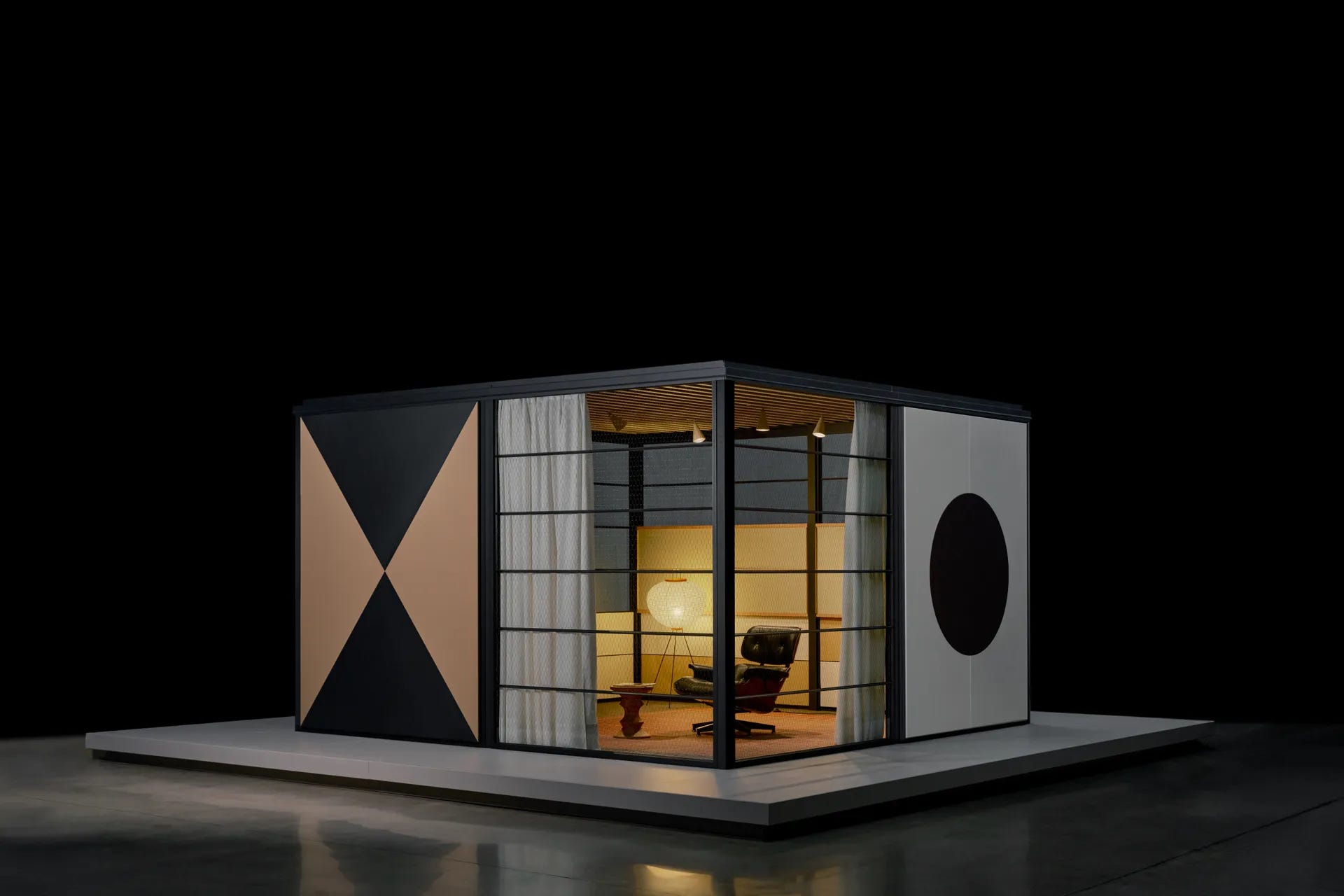
Coherence borrowed from one person is coherence ‘on lease’. It works as long as the person stays, and dissolves the day they leave.
For the past twelve months, this question has been running through the fashion industry. Nine of the fifteen largest houses appointed new creative directors, with four of them changing chief executive at the same time.1 The press cycles rolled out as expected: anticipation, debut show, instant verdict, careful speculation about whether the new direction will keep its grip beyond the first impression.
It is rarely the new creative vision alone that determines that outcome, but rather its dialogue with the foundations and architecture the company had already built, before it arrived.
While this question is actively discussed in fashion right now, it extends to any business shaped by a strong creative direction. Fine jewellery houses, hospitality groups, design companies, creative agencies. Wherever one person or a team defines how the brand looks, sounds, and feels, the same fragility exists. And the same opportunity to build solid foundations.
Signatures in Motion
When a new creative director arrives, two trajectories can emerge.
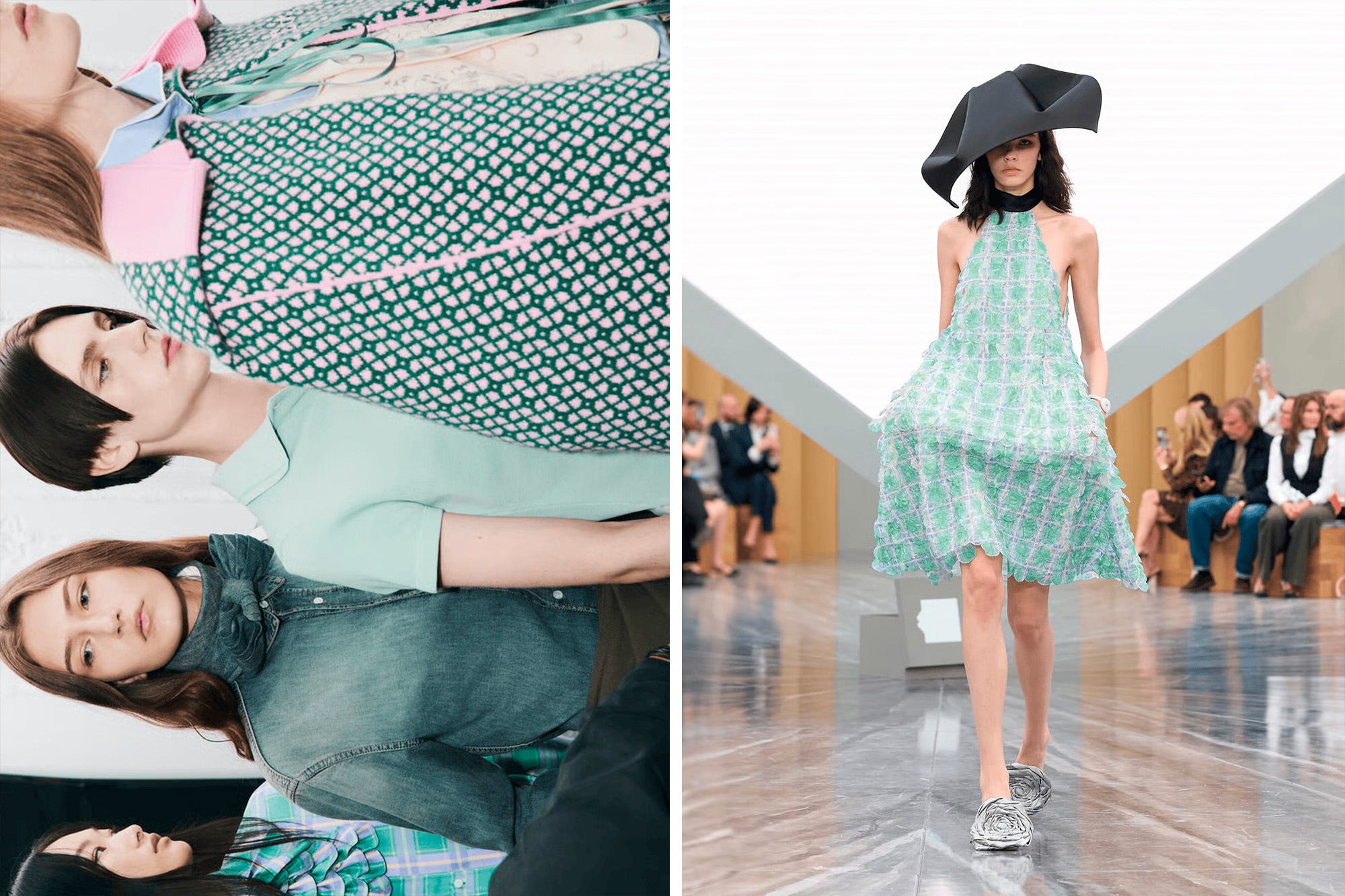
The first: the brand absorbs them. They learn its language, extend it, find new tones within the same grammar. The brand evolves and reinforces itself. Jonathan Anderson’s debut at Dior for Spring-Summer 2026 was widely read as a modern reinterpretation of heritage motifs that extended the house’s existing language rather than replacing it.2
The second: the brand bends to them. The vocabulary shifts. Each season draws from a different set of references. What is framed as reinvention quickly turns into instability. The perception of what the brand stands for starts to depend on what its current director prefers, which can be a beautiful but fragile currency.
The same happens beyond fashion. A new head of marketing, a new communications lead, a new agency. Without a shared framework underneath, each transition reopens questions that should already be settled, and the brand begins to fluctuate.
Borrowed Coherence
A business that depends on one person’s instinct to feel coherent relies on ‘borrowed coherence’. This works for as long as that person stays, and dissolves the moment they leave. This coherence is therefore expensive, because every transition means rebuilding the brand’s recognisability from scratch.
When I am asked why some brands survive a creative reset and others do not, I point to what was already in place before the new arrival: a defined essence, an emotional register, a narrative voice that does not shift with the marketing calendar, a visual logic that goes beyond aesthetic preference, and a way of making the audience feel something specific, consistently, recognisably. None of that is ‘borrowed coherence’, but coherence the business has built for itself.
Inside the Framework
That structure is what I call a creative framework. It establishes what the brand should feel like, where it belongs and where it does not. It articulates the way it speaks, the materials it gravitates towards, the forms it explores, the experiences it creates. Properly built, it allows a creative director, a head of marketing, a comms team, or an external agency to do their actual work: interpret, refine, surprise, rather than redefine the brand every six months. It gives every contributor, internal or external, a shared system to work within.
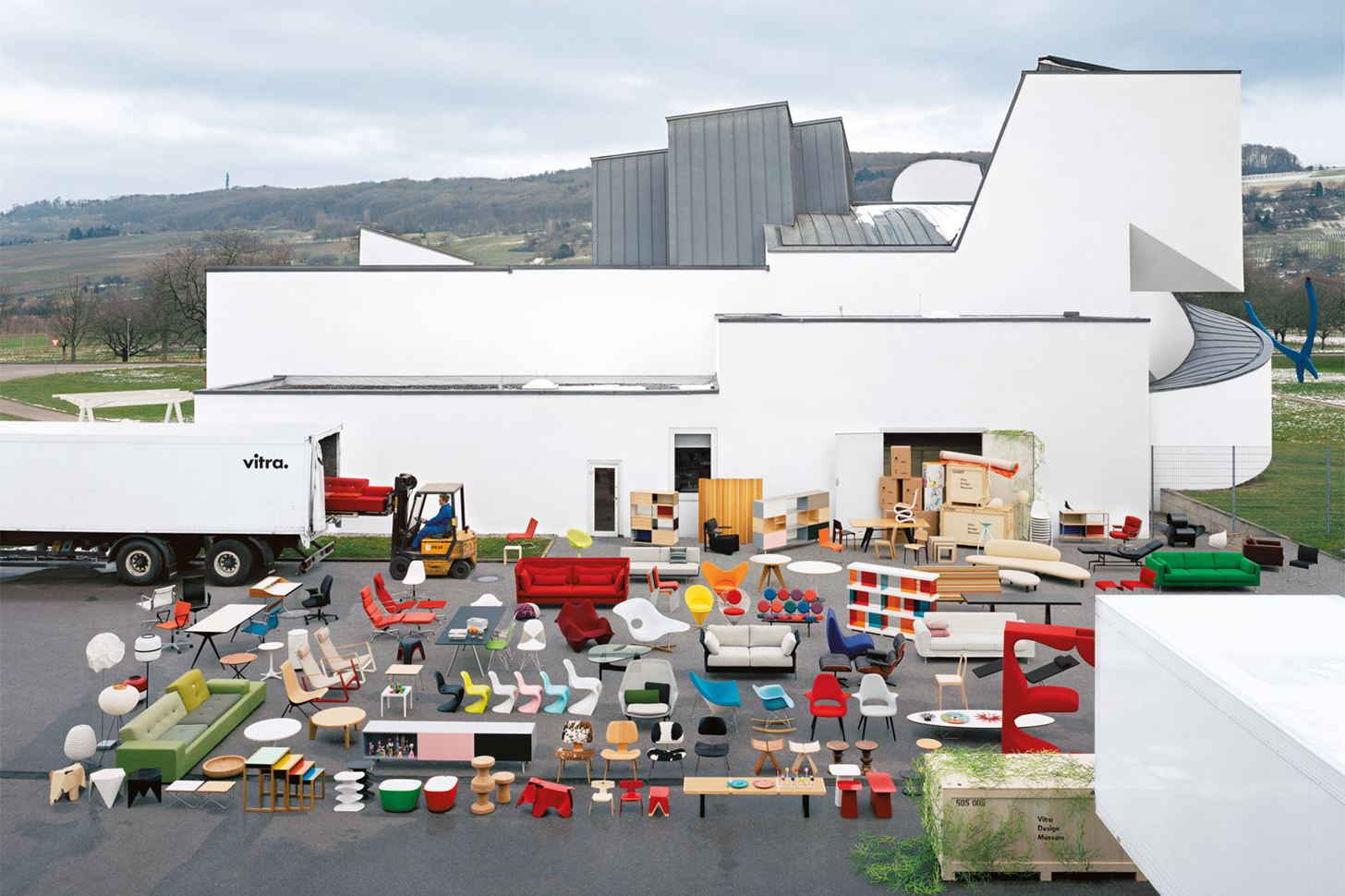
Furniture company Vitra offers a clear example. Over seven decades, the company has collaborated with designers as different as Charles and Ray Eames, Konstantin Grcic, and Hella Jongerius, and entrusted its campus to architects as different as Frank Gehry, Tadao Ando, and Herzog & de Meuron. The catalogue and the buildings are not coherent in any strict aesthetic sense. And yet, they are unmistakably Vitra. What connects them is not so much a single style as a position on design, a particular kind of intelligence and sensibility, and a dialogue with those who live with its objects. The same conviction guides Vitra today in its collaborations with emerging studios, such as Studio Œ, whose loung chair will be presented at the 3daysofdesign festival in Copenhagen this June. Vitra is not asking its collaborators for a specific look. It is choosing them because their own work already aligns with its stance.
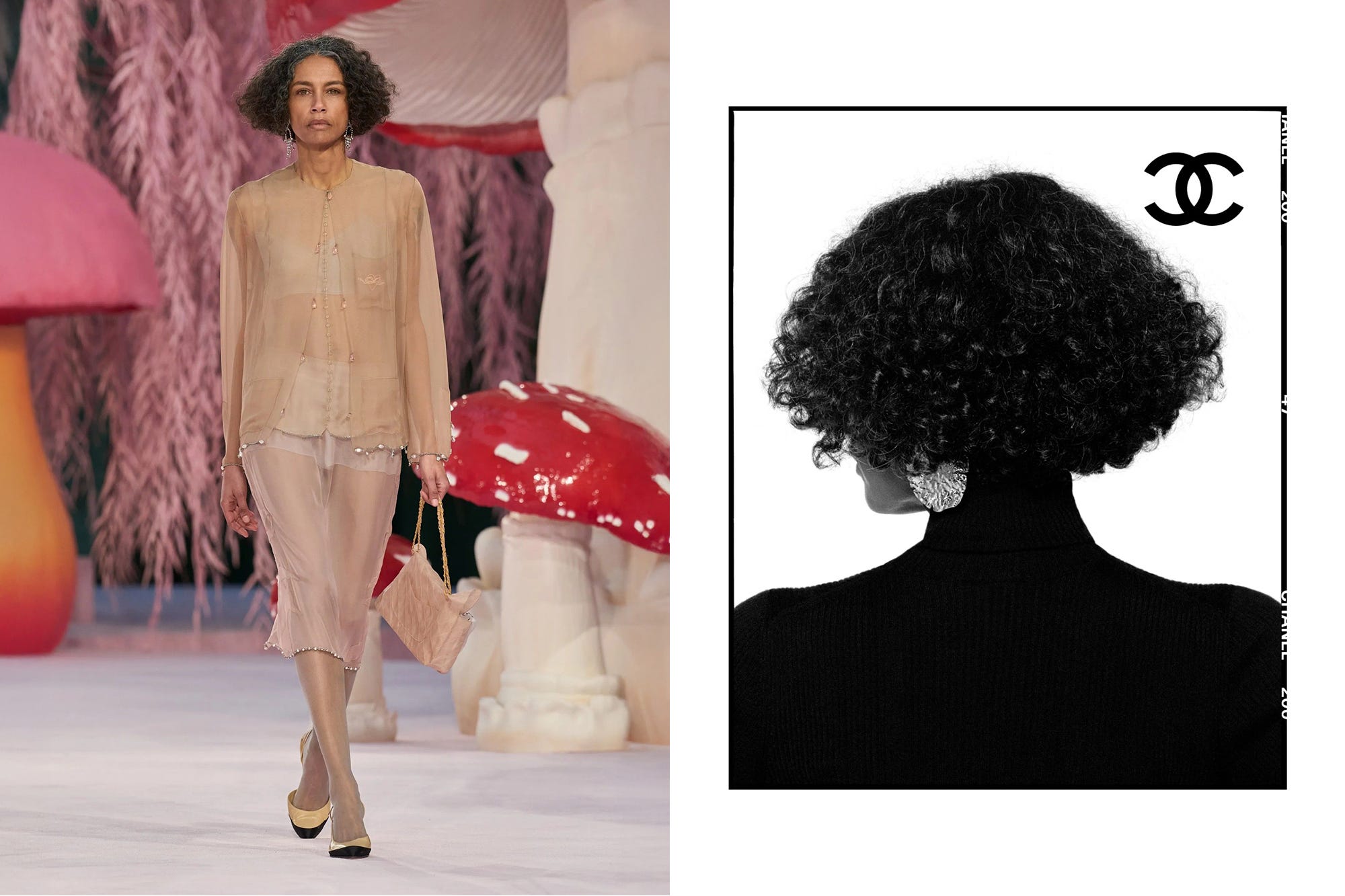
Matthieu Blazy’s arrival at Chanel offers another example, in a context where the stakes were unusually high. His Spring-Summer 2026 debut enchanted some observers and unsettled others, with comparisons to Karl Lagerfeld inevitably surfacing. What his first collection actually did was return to Chanel’s deeper codes. Beyond the tweed, the quilted pattern and the camellia, it went back to the relationship between freedom and structure that has always been at the heart of the house, and translated them into a contemporary vocabulary. Blazy’s signature is unmistakably his own, and yet what he is interpreting is the same Chanel framework that has been there all along.
What is true at Chanel holds true in any business where a single name shapes the work. This is where a creative framework makes it possible to explore different tones from one campaign to the next, and to produce work that remains clearly aligned with the brand.
The Noise Test
In a quiet market, a creative framework would already be valuable, but in the current one it has become essential. If only for practical reasons. Audiences are increasingly resistant to being addressed by algorithms. Microtrends are losing relevance as quickly as they emerge. Half of executives in creative-led businesses now say that retention matters more than acquisition, and almost nine in ten consumers say belonging to a brand community matters more to them than any influencer endorsement.3
At the same time, the marketing landscape that mediated brand visibility over the last decade is being rewritten, with AI beginning to search, filter, select, and present products and services.
In this context, visibility alone is insufficient. What cuts through is recognition. And recognition does not happen by accident. It is built through a coherent creative framework, applied consistently over time.
The cost of neglecting such a framework shows in the numbers. In fashion, mid-market brands have recently overtaken luxury in value creation.4 This is largely because they have invested more in their narrative, their spaces, and their design. By contrast, many luxury houses have primarily relied on price increases in recent years, without giving audiences a deeper reason to form an attachment. They are now feeling the squeeze.
This isn’t a creativity crisis, but a coherence one. And coherence is built on a clear structure that every team and every decision can refer to, well beyond the personal taste of whoever happens to be in charge.
The Quiet Asset
A creative framework is an internal resource, not a visible asset. Yet, everything it produces is on view wherever the brand shows up. In the way a campaign opens, a product is introduced, a space is designed, or a store welcomes you.
Once established, the framework also opens the door to diversification. New categories, new formats, new audiences can be explored without losing direction, because the criteria for belonging are already defined.
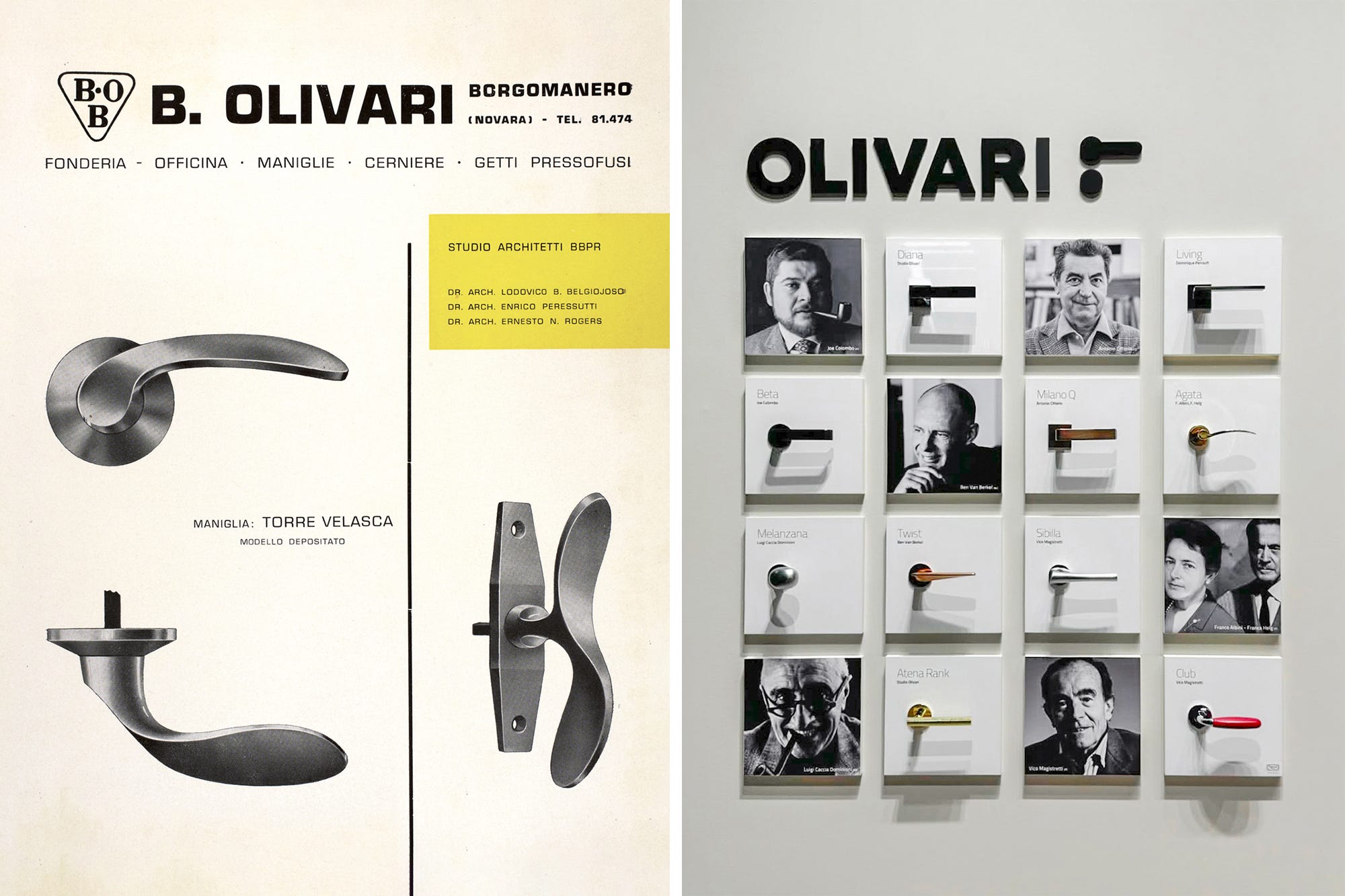
The same logic applies to a wine estate developing a new label, a door hardware company releasing new handles with different designers, a fragrance business entering retail, a hospitality group expanding into wellness, or a heritage brand opening itself to a new generation. Across all of these very different industries, establishing a creative framework would give the business the brand language it requires to navigate its next endeavours with coherence.
Beyond the Signature
The brands that will matter, over the next decade, are the ones whose system goes beyond a creative signature. They do not depend on who is in place at a given moment to remain coherent. They are structured enough to absorb new voices without losing their own.
When that structure exists, when a brand world is anchored in a clear creative framework, each new contributor does not redefine the brand, they extend it. The work becomes continuity. And it is this continuity that allows a brand to be recognised over time.
This note is part of a series on building brand worlds that align meaning, expression, and cultural presence. Subscribe to get new monthly notes first hand.
BoF and McKinsey, State of Fashion report, January 2026.
Nelly Rodi, Fashion Reset study, April 2026.
BoF and McKinsey, State of Fashion report, January 2026.
McKinsey, Global Fashion Index, 2026.